
TeleHealth

Vida Niaparast
Uncover a world of customized physiotherapy plans tailored to your unique needs, guided by the expertise of Vida Niaparast who has years of experience as your Physiotherapist at Marvel Physiotherapy Center in North Vancouver.
What is Telehealth? What Do I Need?
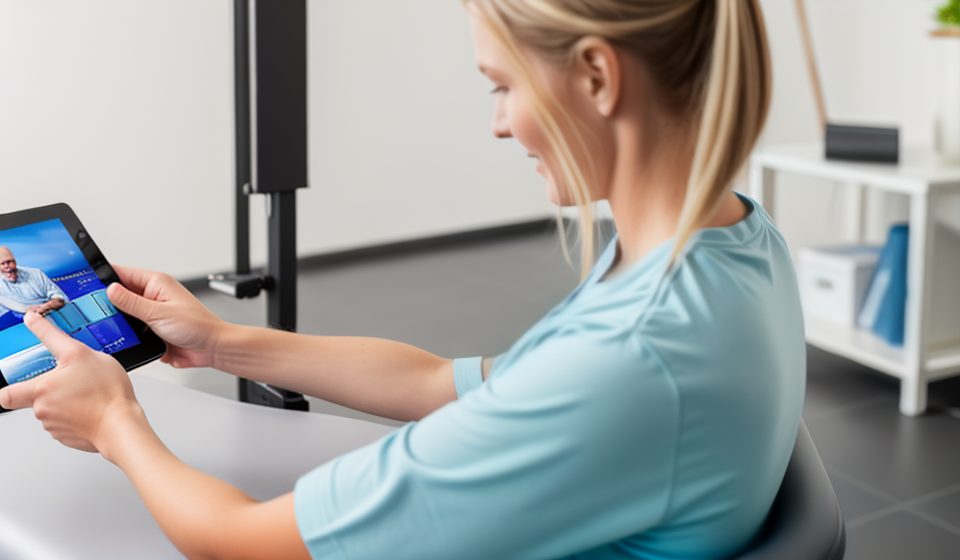
We bring the clinic to your home! Marvel Physiotherapy Center in North Vancouver is now offering convenient telehealth services for physiotherapy and kinesiology visits all over the world with just a smartphone, tablet, or laptop, you can connect with our experienced professionals from the comfort of your own space. To make the most of your telehealth session, here’s what you’ll need: a laptop or desktop computer with speakers and a microphone, Google Chrome (recommended), Firefox, or Safari 11 or newer (for iPhone devices), an open space for exercise and movement, and a well-lit area for video consultations. If you have any exercise bands, a baseball/lacrosse ball, a soccer ball, or any other equipment, feel free to have them ready. Join us for recovery plans and personalized virtual sessions to keep you on track toward your recovery goals. Connect with us today!
Benefits of Telehealth in Physiotherapy
Telehealth can be a valuable tool in the field of physiotherapy, offering several benefits for both patients and healthcare providers. Here are some ways in which telehealth can help in physiotherapy:
- Remote Consultations: Telehealth allows physiotherapists to conduct remote consultations with their patients, eliminating the need for in-person visits. This is particularly beneficial for patients who may have mobility issues, live in remote areas, or have difficulty traveling to a clinic.
- Continuity of Care: Telehealth can help maintain continuity of care, ensuring that patients receive ongoing treatment and support, even when they cannot visit the clinic regularly. This is especially important for patients with chronic conditions that require consistent physiotherapy.
- Home Exercise Programs: Physiotherapists can use telehealth to guide patients through personalized home exercise programs. They can demonstrate exercises, monitor progress, and provide feedback through video calls, helping patients adhere to their treatment plans.
- Education and Advice: Telehealth allows physiotherapists to educate patients about their conditions, injuries, or rehabilitation strategies. They can provide advice on pain management, posture, ergonomics, and other relevant topics, improving the patient’s understanding and self-management.
- Monitoring Progress: Our physiotherapists at Marvel Physiotherapy in North Vancouver can remotely monitor a patient’s progress by assessing changes in symptoms, range of motion, strength, and functional improvements over time. This data can guide treatment adjustments and goal setting.
- Reduced Barriers to Care: Telehealth can lower the barriers to accessing physiotherapy services. Patients can receive care from the comfort of their homes, reducing transportation costs, time constraints, and other obstacles to treatment.
- Cost-Efficiency: Telehealth can be a cost-effective option for both patients and providers. It reduces the need for physical infrastructure and administrative costs associated with in-person visits.
- Increased Patient Engagement: Patients may feel more engaged in their treatment when they have the convenience of telehealth. They can actively participate in their care and take ownership of their health.
- Safety and Infection Control: Telehealth is especially valuable during public health crises or when patients have contagious conditions. It minimizes the risk of disease transmission in healthcare settings.
- Access to Specialist Care: Patients in remote or underserved areas can access specialized physiotherapy services through telehealth, as they can consult with experts who are not geographically nearby.
It’s important to note that while telehealth offers many advantages, it may not be suitable for all cases. Some physiotherapy treatments and assessments require in-person evaluations and hands-on techniques. Telehealth should be used in conjunction with traditional in-person care, when necessary, to ensure the best possible outcomes for patients. Additionally, the regulatory and reimbursement landscape for telehealth in physiotherapy may vary by region, so it’s important to be aware of local guidelines and policies.
- Pain Relief: Physiotherapists use various techniques, such as manual therapy, exercise, and modalities like heat or cold therapy, to alleviate pain from musculoskeletal conditions, injuries, and chronic pain disorders.
- Improved Mobility and Function: Physiotherapy can help individuals regain or improve their physical abilities, such as walking, moving joints, and performing daily activities, especially after injuries or surgeries.
- Injury Prevention: Physiotherapists can assess an individual’s movement and posture to identify and address issues that may lead to injuries, helping to prevent future problems.
- Rehabilitation: After surgery or injuries, physiotherapy plays a crucial role in the rehabilitation process, helping patients recover and regain their strength and function.
- Enhanced Strength and Conditioning: Physiotherapists design exercise programs tailored to an individual’s needs, which can increase strength, endurance, and overall physical fitness.
- Management of Chronic Conditions: Physiotherapy can help individuals manage and improve the symptoms of chronic conditions such as osteoarthritis, rheumatoid arthritis, and chronic pain.
- Respiratory Health: Physiotherapists assist individuals with respiratory conditions by teaching breathing exercises and techniques to improve lung function, which benefits people with conditions like asthma or chronic obstructive pulmonary disease (COPD).
- Neurological Rehabilitation: Physiotherapy can be essential for individuals with neurological conditions like stroke, Parkinson’s disease, multiple sclerosis, and spinal cord injuries, helping them regain lost functions and improve their quality of life.
- Cardiovascular Health: Physiotherapists may provide cardiac rehabilitation programs to individuals recovering from heart surgery or managing cardiovascular conditions.
- Posture and Ergonomics: Physiotherapists can educate individuals on proper posture and ergonomics, reducing the risk of musculoskeletal problems and improving overall well-being.
- Sports Injury Management: Athletes benefit from physiotherapy for injury prevention, rehabilitation, and performance enhancement.
- Pain Management without Medication: Physiotherapy provides drug-free pain management options, making it a suitable choice for those who want to avoid or reduce their reliance on medication.
- Education and Empowerment: Physiotherapists educate patients about their conditions and provide tools and strategies for self-management and prevention.
- Holistic Approach: Physiotherapists consider the overall health and well-being of their patients, addressing not only physical but also psychological and social factors.
- Enhanced Quality of Life: By improving physical function and reducing pain, physiotherapy can significantly enhance an individual’s quality of life.
It’s important to note that physiotherapy is highly individualized, and the benefits can vary depending on the patient’s specific needs and conditions. A qualified physiotherapist will assess and create a personalized treatment plan to address each patient’s unique requirements.
Daily At-Home Workouts With Telehealth

Get
Movin’
Weekly Physiotherapy Plans
Contact Info
+1(604) 773-7660
info@marvelphysio.com