
Strength Exercise

Special and planned sports exercises that are performed to restore the damaged areas are called therapeutic exercises or sports therapy. Experience has proven that exercise therapy is an extremely effective method in managing skeletal and muscular conditions. Physical therapy exercises have also been proven to be one of the most effective ways you can prevent pain and injury. Also, with the help of therapeutic exercises, it reduces the pain and swelling caused by varicose veins. The article on treating varicose veins with physiotherapy provides you with complete information in this field. One of the advantages of exercise therapy is that you can perform the movements at home and at work after learning correctly. Exercise therapy has two general goals: freeing joint movement and increasing or maintaining range of motion.
Discover the 5 pillars of physiotherapy at Vancouver Physio Center, where we believe in the transformative power of therapeutic exercises. Our experienced physiotherapists will guide you through a personalized journey of healing and strengthening. With our specialized programs, you’ll embark on a path tailored to your unique needs, whether you’re recovering from an injury, managing skeletal and muscular conditions, or seeking to prevent pain and injury. Experience the benefits of exercise therapy and regain your vitality. Book a session today and unlock the secrets of physiotherapy at Marvel Physio Center.


Better, Faster, Stronger
Principles of therapeutic exercise:
When a detailed and personalized program is prepared by a physical therapist, exercise therapy can help achieve the correct goals and prevent injuries. The first principle of exercise therapy is that the exercises should include a variety of physical therapy exercises. Second, sports exercises should be specific to the injured area or muscle. In fact, this means that the point of the effect of the movements should be located on the damaged tissue. Also, the parameters of correct physiotherapy exercises must be used in it. The number of times or number of repetitions in each set, the number of times per day or week, the duration of the movement, and the rhythm of the movement should all have specific standards for physiotherapy.
What You Get In Physiotherapy

Agility
Discover the limitless possibilities of agility through the power of physiotherapy. At Vancouver Physio Center, our dedicated team of professionals is here to guide you on a transformative journey towards optimal health and vitality. Whether you’re recovering from an injury, managing muscular or skeletal conditions, or simply aiming to prevent pain and injury, our personalized therapeutic exercises will help you regain strength, flexibility, and agility. Step into a world of tailored care and experience the incredible benefits of physiotherapy. Book your session today and unlock your true potential.

Strength
Discover the power of physiotherapy and unleash your inner strength at Vancouver Physio Center. Our dedicated team of physiotherapists is committed to helping you achieve optimal physical wellness through personalized therapeutic exercises. Whether you’re recovering from an injury, managing musculoskeletal conditions, or simply looking to prevent pain and enhance your performance, our specialized programs will guide you towards a stronger, pain-free future. Experience the transformative benefits of exercise therapy and take control of your well-being. Schedule a session today and embark on a journey of strength and vitality.

Goals
Unleash the Potential of Physiotherapy and Embrace Your Personal Goals. Welcome to the Vancouver Physio Center, where we are dedicated to empowering you on your journey towards optimal health and wellness. Our team of highly skilled physiotherapists is committed to delivering exceptional care and guidance, tailored to your unique needs. From injury rehabilitation to managing musculoskeletal conditions, our specialized programs are designed to help you overcome challenges and achieve lasting results. Discover the transformative power of physiotherapy and unlock a world of strength, vitality, and renewed energy. Take the first step towards your goals and schedule a session at the Vancouver Physio Center today.

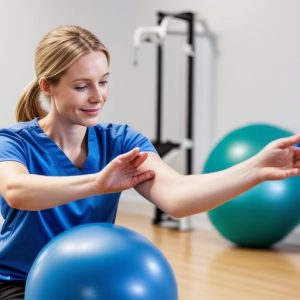
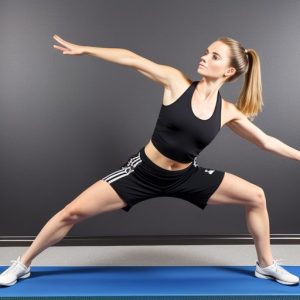
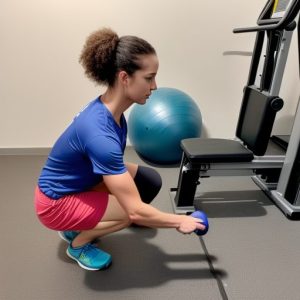
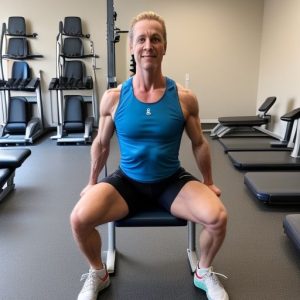
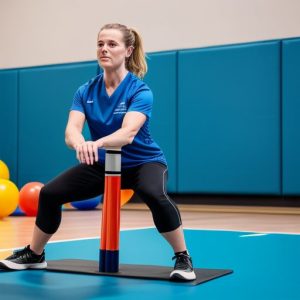
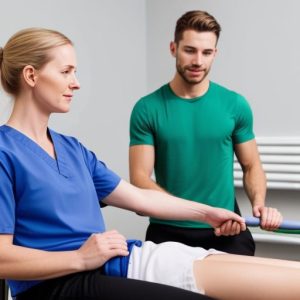
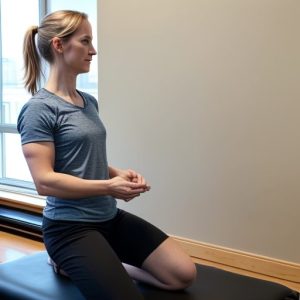
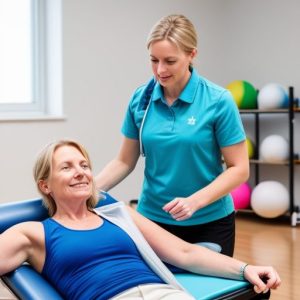
Better, Faster, Stronger
Therapeutic exercise and all kinds of physical therapy exercise:
There are several different types of exercise therapy. Each of these treatments focuses on a specific feature. Based on the patient’s problem and injury, physiotherapists may use one or more exercise therapy methods to treat the disease. Below we have explained some of these methods:
Stretching in physiotherapy exercises:
This type of physical therapy exercise is done to improve body flexibility. The purpose of this exercise is to put pressure on the target muscle to increase flexibility. For this exercise to be effective, all the parts that are related to the injured muscle must be coordinated. That is, if you are going to do leg stretching exercises, the back should not be under pressure. One of the important points of stretching exercises is proper breathing. In order to help relax the muscles and minimize resistance, inhaling and exhaling should be good and principled. It should be noted that the number of stretching movements should be few, but their duration should be a little long.
Physiotherapy strengthening exercises:
Strength training can improve muscle strength, endurance, or power. Physiotherapy exercises are performed on two types of muscles, motor muscles and stabilizing muscles. Stabilizing muscles are located deep in the body and often have a shorter length, such as shoulder muscles, biceps, biceps, etc. These muscles form the main structure of the body. The function of motor muscles is to create large movements. The muscles are closer to the surface of the body and are longer than the stabilizing muscles. Because these muscles are constantly moving, they tend to get tired.
Concentration of physiotherapy exercises:
These exercises are for the patient to be able to use his muscles well and in harmony. Walking correctly, getting balance, coordination of hands, coordination of fingers, etc. are among the benefits of central exercises. Drawing a specific shape with legs, hands or any other affected part is one of the exercises of this treatment method.
Practical physiotherapy exercises:
Sometimes a patient may have difficulty performing his daily movements. In this case, the physiotherapist corrects the patient’s movement disorders by giving simple exercises.
Benefits of exercise therapy:
One of the benefits of exercise therapy is that it is a non-invasive and painless method to reduce inflammation and damage. As mentioned, after learning the movements, the patient can do them at home. In addition, exercise therapy has many benefits, some of which are: • Reducing pain and swelling in muscles and tissues • Improving the function of joints and increasing their range of motion • Increasing blood circulation in the damaged tissues and as a result, increasing the metabolism and healing process of muscles and tissues • Restoring and improving body movements and balance • Increasing strength and flexibility of muscles and tissues Treatment of diseases such as heel spurs, arthritis, etc.
Knee pain treatment exercise:
The knee is one of the most sensitive parts of the body, and problems related to it require a lot of attention. Knee pain or knee arthritis is like a double-edged sword. Overuse of the knee compromises joint health and causes pain. The less the knees are used, the weaker they will become. Therefore, knee movements should be balanced. Physiotherapy based on this balance can be effective in treating knee injuries. Physiotherapy can help reduce the pain, swelling and stiffness of knee arthritis and improve the function of the knee joint and the swelling and swelling of the knee and its treatment. Knee exercise therapy is performed in the following two ways.
Knee strengthening exercise therapy:
The knee strengthening exercise is based on strengthening the leg muscles. The physiotherapist will teach you special exercises that you can do at home to strengthen your leg muscles. Working the leg muscles can help strengthen the knee joints. Strengthening these muscles alone will play an important role in reducing knee pain.
Therapeutic exercise to increase knee:
flexibility Because knee osteoarthritis often makes it difficult to move the knee and leg, flexibility exercises are very important. Doing them regularly can help to increase the range of motion, the flexibility of the knees and restore the function of the knee joint. It is important to do both strengthening and flexibility exercises as they can help strengthen the knee. Below are some exercises used in exercise therapy for knee pain.
Leg lift:
Lie on your back on the floor or another flat surface. Bend one knee and place your foot flat on the floor. Keeping the other leg straight, raise it to the height of the opposite knee. Repeat the movement 10 to 15 times in three sets.
Knee squat in physiotherapy:
Stand with your back against a wall, feet shoulder-width apart. Slowly bend your knees and press your back against the wall. Hold for 5-10 seconds and try not to bend too much. If you feel pressure or discomfort in your knee, change your position. Repeat the exercise and each time try to sit for a few seconds longer.
Exercise therapy for back pain:
Correctly performing physical therapy exercises is very important in the treatment of middle back pain. If done incorrectly, exercise therapy can increase back pain. Always consult your physical therapist before doing any exercise for back pain as some exercises may not be recommended depending on the cause and severity of your pain. Below are two examples of comparison moves.
Slight Shrinkage:
Partial contraction therapeutic exercise in the treatment of back pain A slight contraction can help strengthen the back and stomach muscles. Lie down and bend your knees and straighten your legs on the floor. Cross your arms across your chest or place your hands behind your neck. Tighten your stomach muscles and lift your shoulders off the floor. Do not use your elbows or arms to lift your neck off the ground. Hold for a second, then lower slowly. Repeat this movement 8 to 12 times. Proper form prevents excessive stress on your back. Make sure that your legs, femur and back should always be in contact with the mattress.
Sat down :
Although you might think that sit-ups can strengthen your abs, most people tend to use their glutes to lift when doing this movement. Squatting can put a lot of pressure on the discs in your spine.
Exercise therapy for sciatica:
Sciatica is a term used to describe symptoms of leg pain, numbness, and tingling caused by irritation or damage to the roots of the sciatic nerve in the lumbar spine. Physiotherapy is an important part of sciatica treatment. Depending on the underlying cause of your sciatica, a physical therapist may recommend one or more physical therapy exercises to help relieve your symptoms. Pelvic tilt exercise is a useful exercise for sciatica described below.
Pelvic tilt exercise:
Pelvic tilts help strengthen the abdominal muscles and are the basis of many exercises to relieve sciatica pain, so performing this exercise correctly is a great start to treatment. To perform this movement, lie on your back and bend your knees and place your feet flat on the floor. And pull your belly toward your spine. By pulling in your abs, your back will automatically flatten toward the floor and your pelvis will lift toward your chest. Hold this position for 20 seconds and then rest.
Book a Session

Get Movin’
Weekly Physiotherapy Plans
Contact Info
+1(604) 773-7660
info@marvelphysio.com